HISTORICAL COMPANION
A Guide to A Heart of Oak
Ireland, the United Irishmen and the Rebellion of 1798
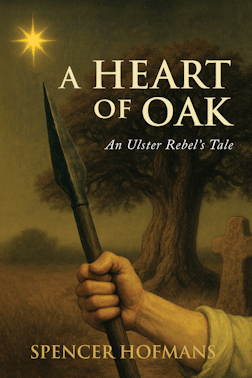
The Novel
A country can begin to break long before anyone calls it rebellion.
A Heart of Oak begins on the north coast of Ireland, where Alec Darragh grows up among salt water, stone and the stubborn certainties of family. Ballycastle is the measure of his world: the harbour, the quarry, the people he believes will always remain.
They do not.
Driven from familiar ground, Alec is drawn into a wider Ulster already shifting beneath the pressure of religious division, political reform and revolutionary ideas. In Ballymena, Larne and Belfast, names that once belonged to distant politics become men he knows: Henry Joy McCracken, Samuel Neilson, Thomas Russell and Wolfe Tone.
His love for Florence, a Catholic woman, makes those divisions personal. And as argument hardens into rebellion, Alec must decide what loyalty means when family, friendship, faith and cause no longer point in the same direction.
At its heart, A Heart of Oak is not a story about banners. It is about what remains of a man when the ground beneath him gives way.
Ireland on the Eve of Rebellion
Ireland entered the 1790s with the appearance of a constitution and the habits of an older order.
Since 1782, its parliament in Dublin had gained greater legislative independence from Westminster. Yet representation remained narrow. Political power rested largely with the Anglican Protestant elite, while Catholics and Presbyterians lived with different degrees of exclusion from the institutions that governed them. Catholic relief advanced during the decade, most notably when Catholics regained the parliamentary franchise in 1793, but they still could not sit in parliament.
Change was arriving from elsewhere as well. The American Revolution had shown that a quarrel with Britain might become something larger. Then France went further. After 1789, words such as citizen, liberty and equality acquired a dangerous new weight.
Ireland was not waiting quietly for them.
The Volunteers had already turned questions of defence into questions of representation. Reformers began asking whether an Irish parliament could truly claim to speak for Ireland while so many of its people remained outside political power.
By the beginning of the decade, the argument was no longer simply about who should govern Ireland.
It was becoming an argument about who belonged to the nation at all.
Belfast and the United Irishmen
Belfast was still a small town by later standards, but ideas travelled quickly through it.
Trade, linen, printing and Presbyterian dissent had produced a community unusually receptive to political argument. In October 1791, a group of reformers established the Belfast Society of United Irishmen. Among those involved were Samuel Neilson, Henry Joy McCracken, Thomas Russell and other men drawn from the town’s commercial and intellectual life. Their immediate demands centred on parliamentary reform and the inclusion of Catholics in political life.
The ambition soon widened.
The Northern Star, first published in Belfast in 1792, carried radical politics far beyond the rooms in which they had first been discussed. Newspapers could go where speakers could not. A sheet passed from hand to hand required no meeting hall and left no voice to arrest.
Belfast also connected north and south. Neilson in particular became an important link between United Irishmen in Ulster and Dublin. By the middle of the decade, reform had hardened into a revolutionary programme, and leading members were contemplating not merely a better parliament but an independent Irish republic.
What began in conversation had learned how to organise.
The North of Ireland in the 1790s
The north was never one political country.
Ulster Presbyterians had their own history of exclusion and a strong tradition of political argument, but Presbyterian did not mean radical, any more than Catholic meant revolutionary. Loyalties remained local, religious, economic and familial, and they did not always point in the same direction.
The linen economy bound communities together while also setting them in competition. In County Armagh, conflict between Catholic Defenders and Protestant Peep O’Day Boys became increasingly violent. The Battle of the Diamond in September 1795 was followed by the creation of the Orange Order, while attacks and reprisals drove many Catholic families from their homes.
At the same time, United Irish organisers sought to overcome precisely those divisions. They cultivated links with the Defenders and tried to turn religious grievance into a common political cause. Some succeeded. Others discovered that older loyalties did not disappear because a new oath had been sworn.
Government pressure increased as the decade darkened. Arrests, searches, disarming and military coercion became part of everyday political life, particularly as fears of French intervention grew. By 1797, martial law and counter-insurgency measures were being used against suspected revolutionaries.
The north carried both possibilities at once.
Union, and division.
The Rebellion of 1798
The rebellion did not begin as one clean national rising.
It fractured before it started.
The United Irishmen had spent years building a secret organisation and seeking French support, but government arrests in the spring of 1798 removed much of the leadership before the planned insurrection could begin. When rebellion broke out on the night of 23–24 May, it did so unevenly. Dublin failed to rise as intended. Fighting followed in Kildare and Meath, while in Wexford a much larger popular rising developed and held much of the county for several weeks.
Ulster followed in June, with major risings in Antrim and Down.
The result was not a single battlefield but a succession of local wars, connected by a common revolutionary organisation yet shaped by different communities and circumstances. Some forces marched under United Irish leadership. Others entered the struggle through local grievances that had begun long before 1798.
France arrived too late. General Humbert landed in County Mayo in August and won initial victories before his force was defeated at Ballinamuck. A later French expedition was intercepted off Donegal in October, and Wolfe Tone was captured.
By then the rebellion had largely been broken.
The idea that produced it had not.
Antrim and the Rising
In Antrim, the decision to rise came late.
Several senior United Irish officers hesitated to act without French support. Robert Simms resigned his command. On 4 June 1798, Henry Joy McCracken accepted leadership of the United forces in the county and began preparing an attack on Antrim town.
Three days later, the rebels moved.
Antrim mattered because of its position and because county magistrates had been summoned there. McCracken intended local forces to seize their own districts before converging upon the town. His main body, numbering around two thousand men, initially drove government troops back. But expected reinforcements failed to arrive, discipline began to break under fire, and government forces approaching from Belfast were able to strike the insurgents from the rear.
The battle was over within hours.
That brevity can be deceptive. The defeat at Antrim was the collapse of years of organisation: meetings held in back rooms, oaths whispered over tables, newspapers carried beneath coats, alliances patiently constructed between men who had once been taught to distrust one another.
McCracken escaped the battlefield, but not for long. He was captured and hanged in Belfast on 17 July 1798.
The northern rebellion had lasted days.
Its preparation had taken years.
What Happened Afterwards?
Defeat did not produce silence at once.
Executions, imprisonment, transportation and exile followed the rebellion, while surviving United Irishmen scattered, went underground or abandoned the movement. Others continued to believe that the unfinished work of 1798 might yet be resumed. A final attempt came in 1803, when Robert Emmet led another rising in Dublin and Thomas Russell tried, with little success, to revive insurrection in Ulster.
The constitutional consequences were more lasting.
The rebellion of 1798, together with the continuing possibility of French intervention, strengthened the British government’s case for parliamentary union. The Acts of Union were passed in 1800. On 1 January 1801, the Irish Parliament ceased to exist and Ireland entered the new United Kingdom of Great Britain and Ireland, represented thereafter at Westminster.
Yet legislation settled less than it appeared to.
The men and women of the United Irish movement had failed to create the republic they imagined. But they had placed another possibility into Irish political memory: that Catholic, Protestant and Dissenter might belong to the same political nation.
The rebellion ended.
The argument did not.
Historical Figures
These are the historical figures who step into the story of A Heart of Oak.
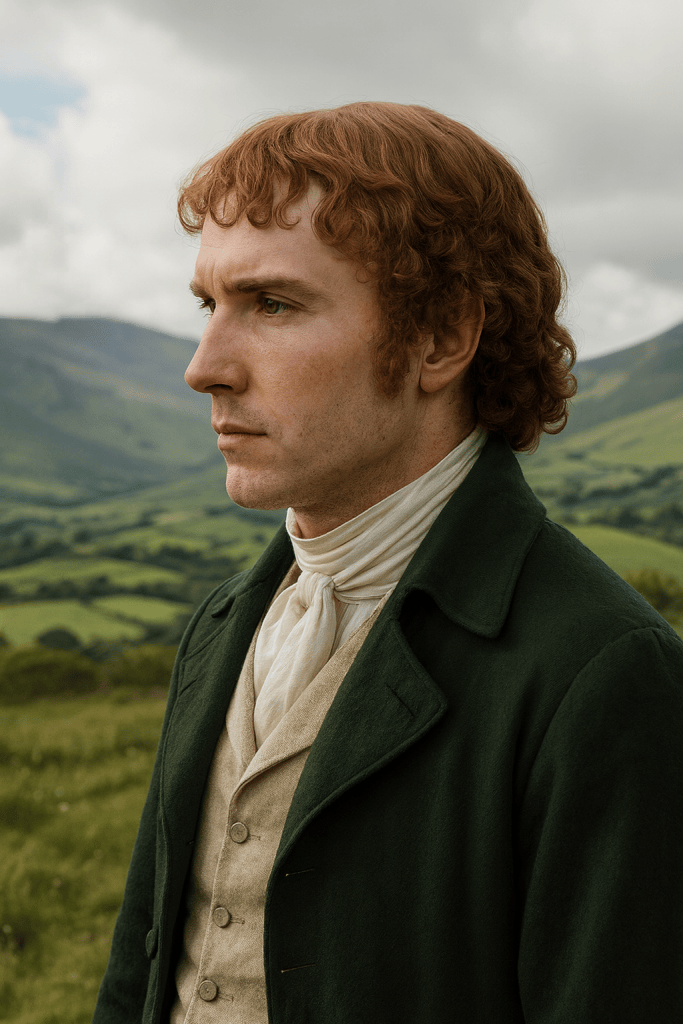
Henry Joy McCracken (1767-1798)
Belfast businessman and founding member of the Society of United Irishmen, McCracken became one of the movement’s leading figures in Ulster. In June 1798 he commanded the United Irish forces in County Antrim; after the rising failed, he was captured and hanged in Belfast on 17 July.
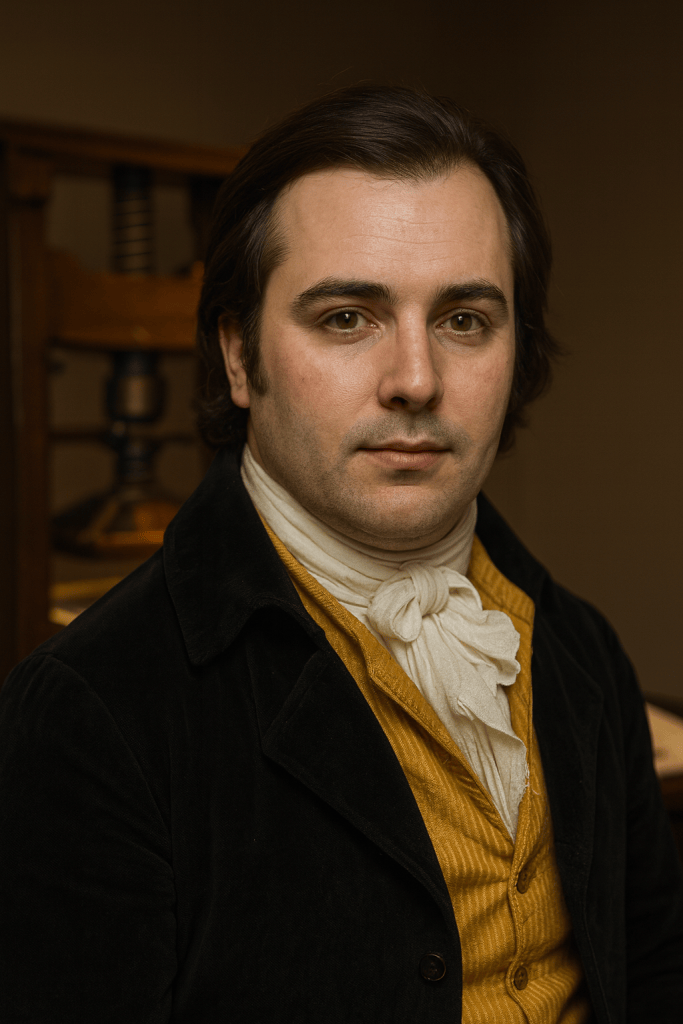
Samuel Neilson (1761-1803)
A Belfast woollen merchant and founding United Irishman, Neilson was the driving force behind the Northern Star, the movement’s influential newspaper, and an important link between its Belfast and Dublin leadership. Imprisonment and exile followed his revolutionary activity, and he died in Poughkeepsie, New York, in 1803.
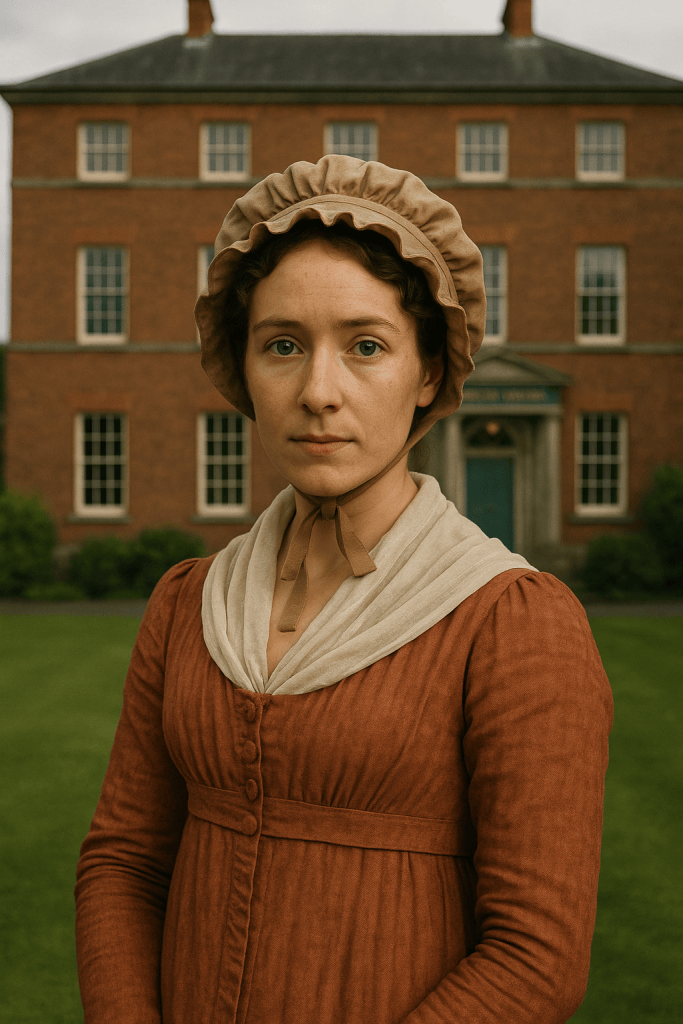
Mary Ann McCracken (1770-1866)
A Belfast radical and philanthropist, Mary Ann McCracken supported the United Irish cause and worked tirelessly to aid her brother Henry Joy before and after the 1798 rising. She remained an advocate of women’s equality, education, poor relief and the abolition of slavery throughout her long life.
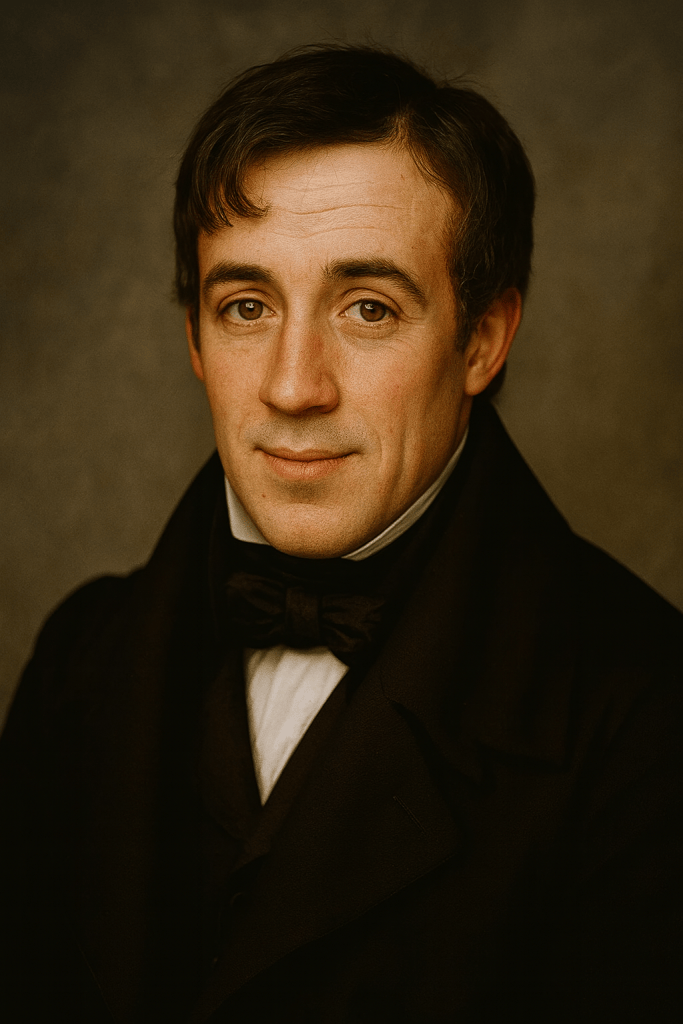
James Hope (1764-1847)
A linen weaver from County Antrim, Hope became one of the most prominent working-class members of the United Irishmen and a committed advocate of social and political reform. He served as Henry Joy McCracken’s lieutenant at the Battle of Antrim in 1798 and continued revolutionary organising after the rising had been defeated.
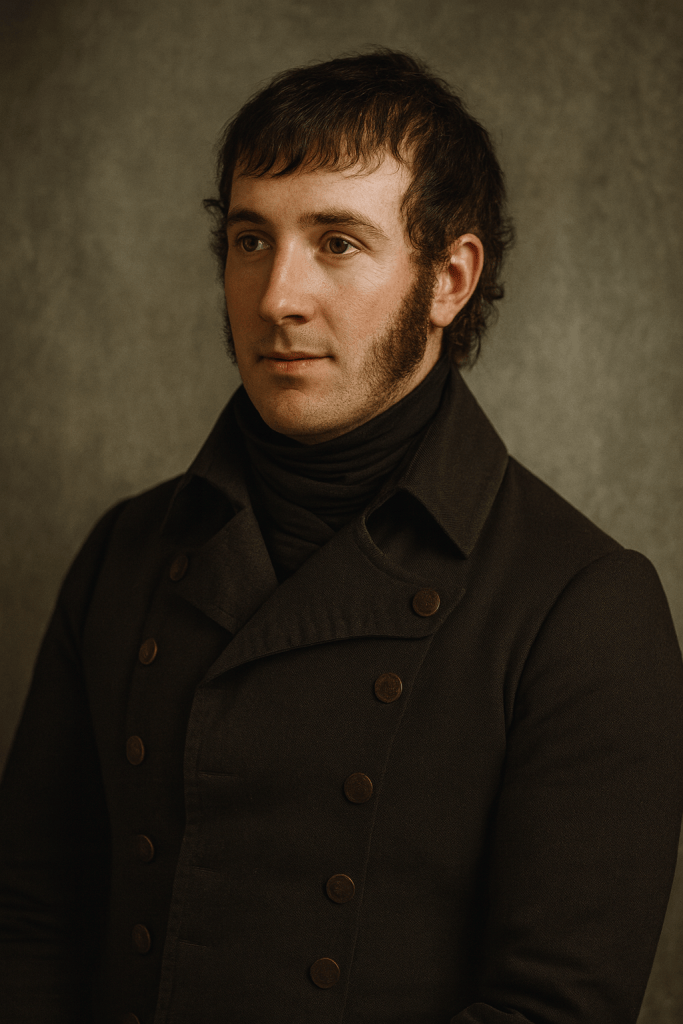
Thomas Russell (1767-1803)
A former army officer and early United Irishman, Russell became a crucial organiser in Ulster and a link between different regions, religions and social classes within the movement. After years of imprisonment he joined Robert Emmet’s attempt to revive the rebellion in 1803, and was subsequently captured and executed at Downpatrick.
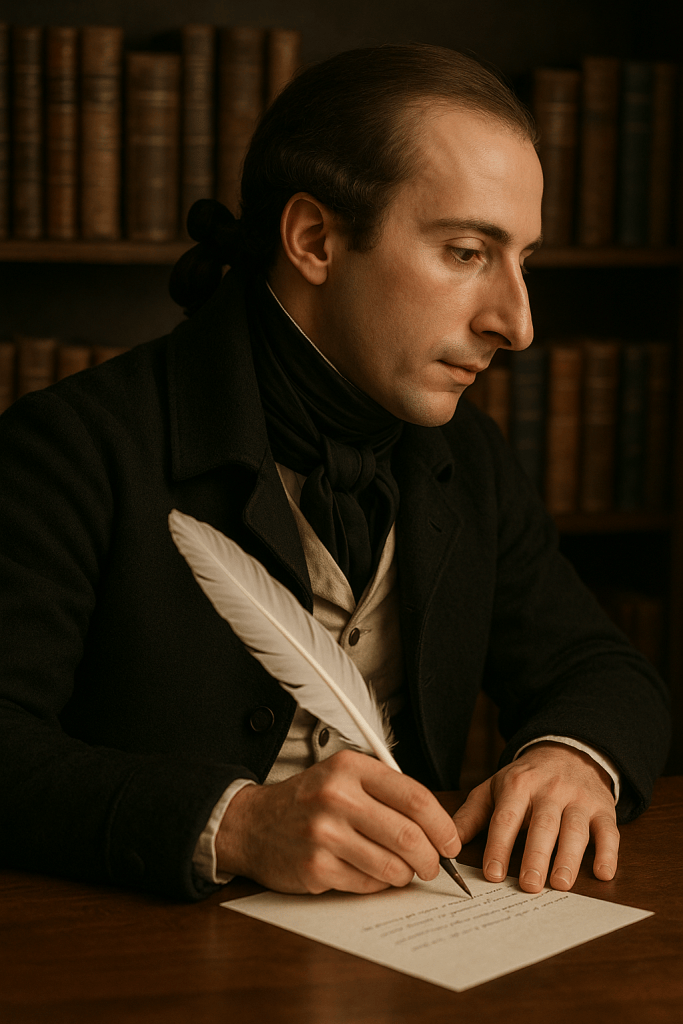
Theobald Wolfe Tone (1763-1798)
A Dublin barrister and political writer, Wolfe Tone became one of the principal architects of the United Irish project to unite Protestants, Catholics and Dissenters in pursuit of political change and Irish independence. He later sought French military assistance for an Irish uprising, was captured after a failed French expedition in 1798, and died in Dublin custody that November.
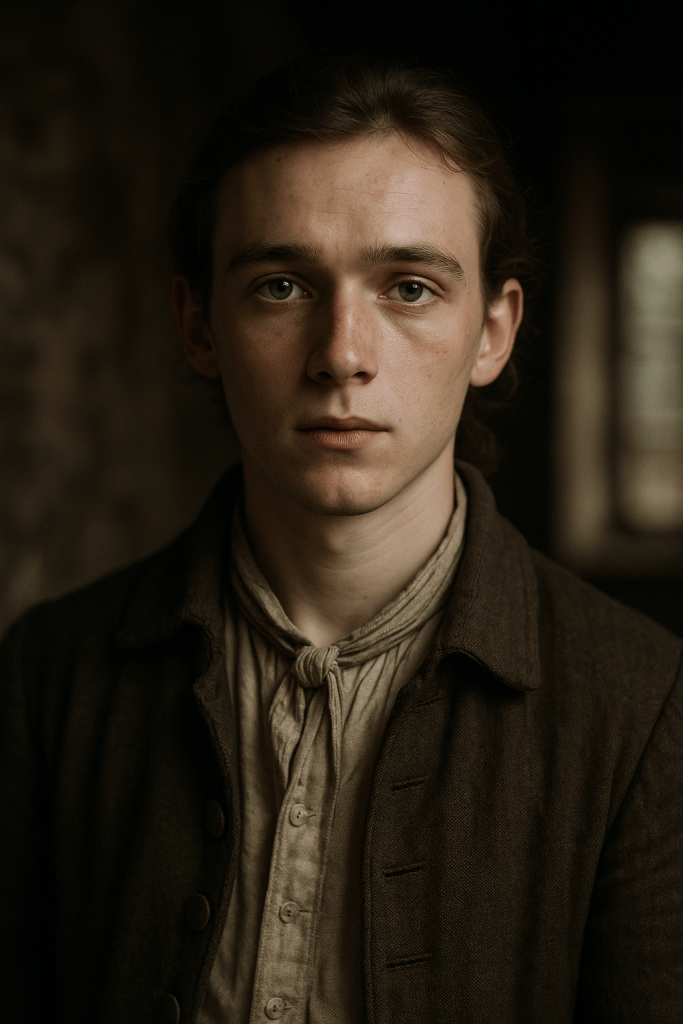
Conn Magee
Far less is documented about Conn Magee than about the better-known United Irish leaders, but local Glenravel tradition records him as a participant in the rebellion of 1798. He is buried at Skerry Old Church and is still commemorated locally in the name of Con Magee’s GAC Glenravel.
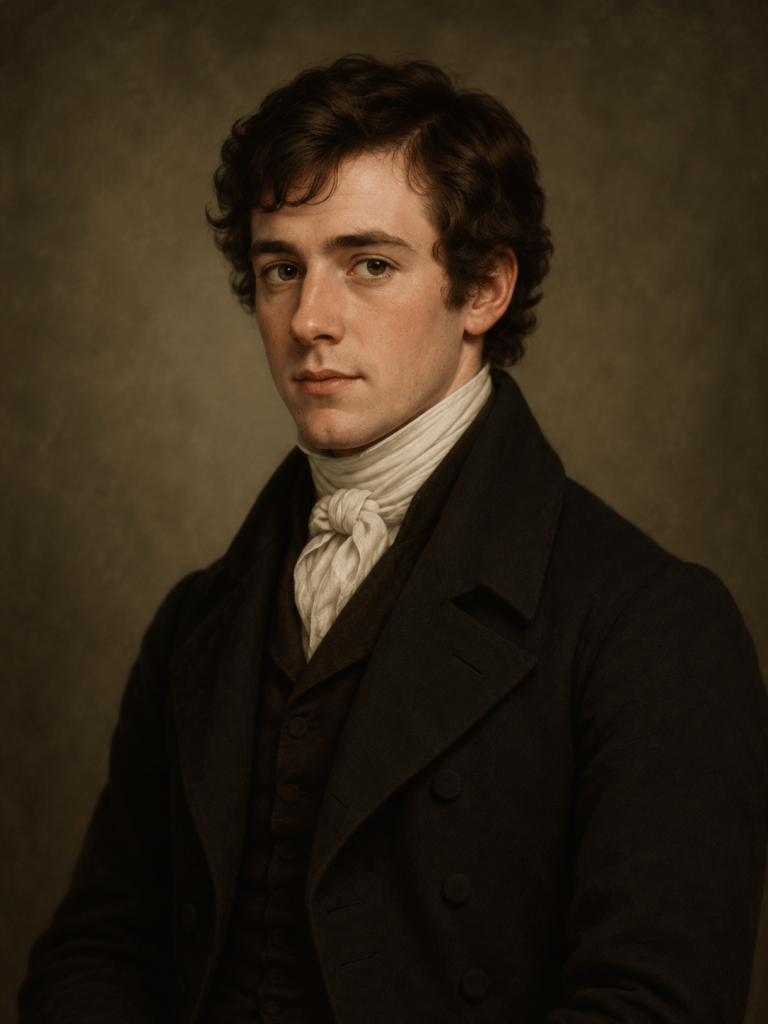
Charles Hamilton Teeling (1778-1848)
Born into a Catholic linen-merchant family in Lisburn, Teeling worked to bring the Defenders and United Irishmen closer together and was already politically active while still in his teens. Arrested for high treason in 1796 at only seventeen, he survived the revolutionary period and later published important memoirs of the politics and rebellion of the 1790s.
History gives us names, dates and fragments of conduct. Fiction must sometimes enter the space between them. The distinction matters.
Sources and Further Reading
The world of A Heart of Oak was built from contemporary records, later historical scholarship, and nineteenth-century accounts of the United Irishmen and the rebellion of 1798. The following are among the sources that informed the novel and this guide.
Primary and Contemporary Sources
- The Rebellion Papers, National Archives of Ireland
Government correspondence, intelligence reports, examinations and other records relating to the United Irishmen and the rebellion of 1798. - The Northern Star
Editions of the Belfast newspaper associated with the United Irish movement, available through the British Newspaper Archive. - Letters of Mary Ann McCracken
Surviving correspondence offering an unusually personal window onto the McCracken family, Belfast society and the political world in which they lived. - Richard Robert Madden
Madden’s nineteenth-century works on the United Irishmen preserve biographies, testimony and recollections from participants and their contemporaries.
Historical Studies
- John Killen, The Decade of the United Irishmen
A study of the political, social and intellectual world in which the United Irish movement emerged. - Jim Smyth, Henry Joy McCracken
A focused study of McCracken’s life, political development and role in the Antrim rising.
Literary Context
- James McHenry, O’Halloran; or, The Insurgent Chief
A nineteenth-century historical novel set against the rebellion of 1798, showing how the events entered literature and memory within a generation of the rising itself.
 Spencer Hofmans